
Shaping the Future Through Life
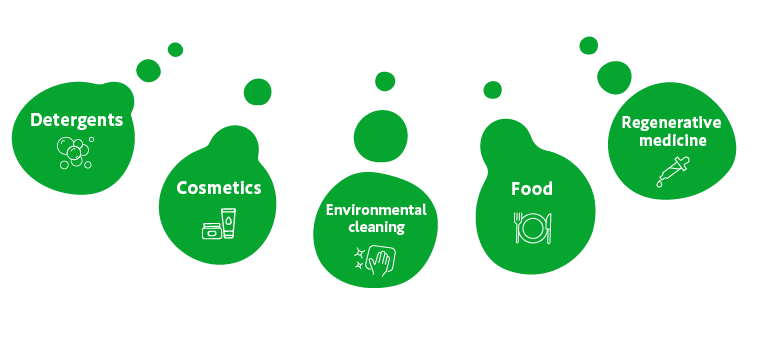
Not only as a detergent — the possibilities of SOFORO extend into cosmetics, environmental cleaning, food, and regenerative medicine.
The future we envision with SOFORO
Climate change, sustainable raw‑material sourcing, and environmental pollution — To help solve these challenges, we developed what can be called the "third generation of detergent," following soap and synthetic detergents: the natural biosurfactant SOFORO (sophorolipid).



What is SOFORO (sophorolipid)?
SOFORO is the world’s first commercially successful natural biosurfactant, developed by SARAYA. Made from sugar and vegetable oil through fermentation by natural yeast, it offers strong cleaning ability, excellent biodegradability, and high safety. It also provides performance that conventional surfactants cannot achieve.

※"SOFORO" refers to the raw material name of sophorolipids.
What SOFORO Can Do
01 Removes Dirt With A Reliable Cleaning Power
A detergent created from natural yeast. Although produced through fermentation technology, it delivers strong cleaning performance, removing dirt thoroughly.
02 Biologically Derived, Environmentally Friendly
Created using natural yeast, it is easily biodegradable. It has little impact on aquatic life in rivers or seas where wastewater may flow, making it environmentally friendly.
03 Gentle On The Skin With Minimal Irritation
Because it is a fermentation‑derived component, it is safe enough to eat and causes almost no skin irritation.
04Low Irritation Compatible With Cell Preservation
Its low irritation makes it safe enough for use in cell preservation, where materials with a high level of safety are required.
05 Promotes The Penetration Of Active Ingredients
When used together with moisturizing or active ingredients found in cosmetics, SOFORO enhances penetration into skin and hair, increasing their effectiveness.
06Fine Bubbles That Improve Cleaning Power
Generates fine bubbles smaller than pores, measuring less than 0.1 mm. These tiny bubbles penetrate even between fine fibers, enhancing cleaning performance.
07 Enhances Both Feel And Cleansing Power When Used With Soap
SOFORO works well with soap. When used together, it improves moisturization and cleaning performance.
Products And Application Examples
Happy Elephant
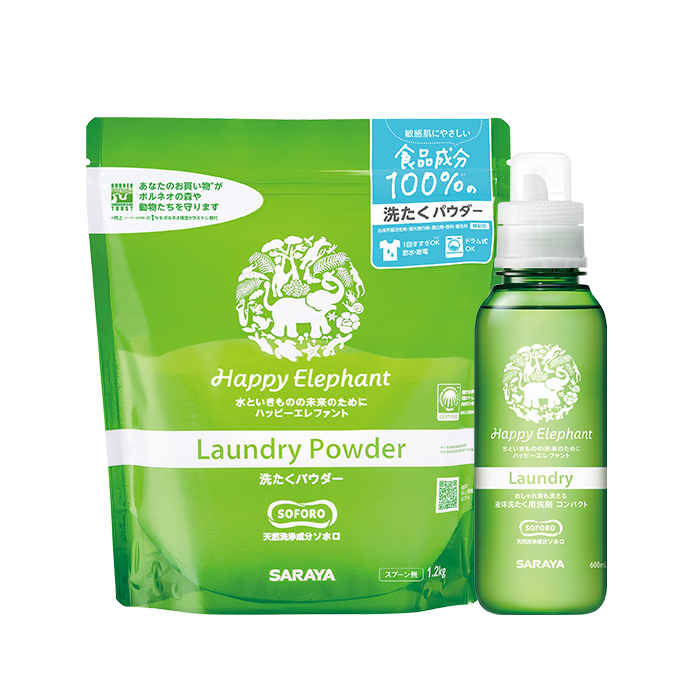
Happy Elephant is our next‑generation natural detergent line that uses SOFORO’s high biodegradability, high cleaning power, low foaming, easy rinsing, and high safety. The plant oil used as a raw material (palm oil) is RSPO‑certified, produced with respect for the environment and human rights.

Detergents and disinfectants for medical instruments
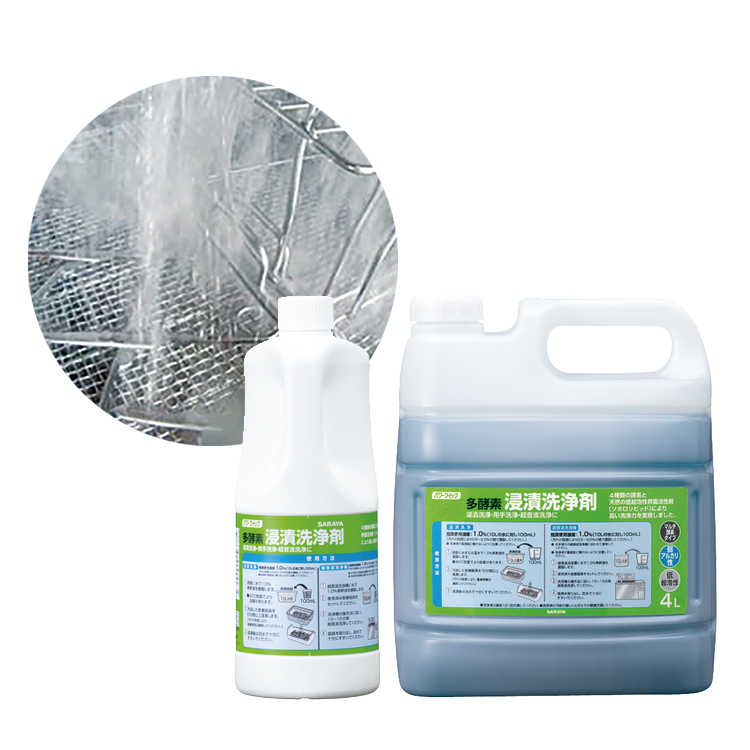
When SOFORO is combined with carbonates and organic acids, fine bubbles are generated upon contact with water. This has potential for application in cleaning and disinfecting medical instruments.

Cell cryopreservation solution
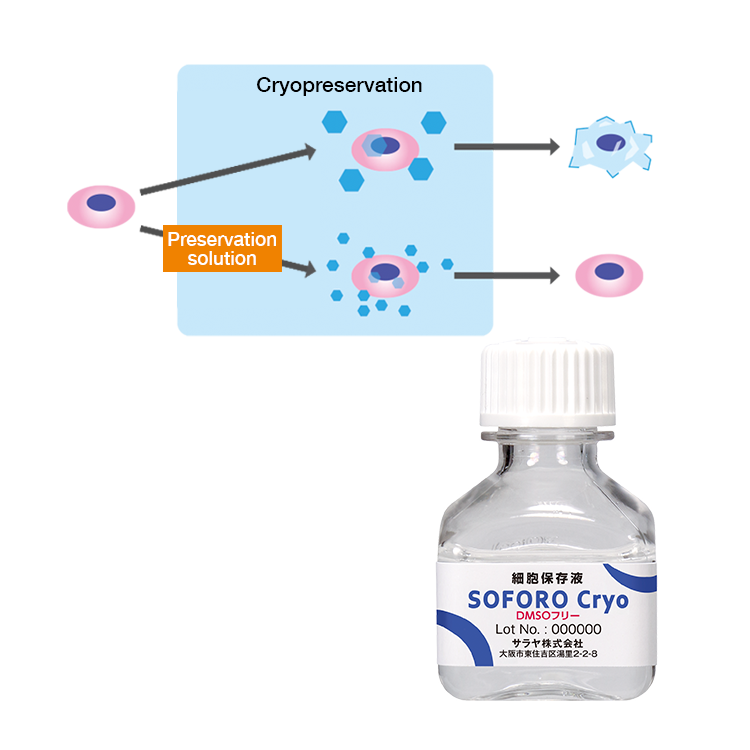
Leveraging its high biocompatibility, SOFORO can be used in cryopreservation solutions, reducing cytotoxicity and antigenic changes while improving post‑thaw cell survival.

Detergent for contaminated soil
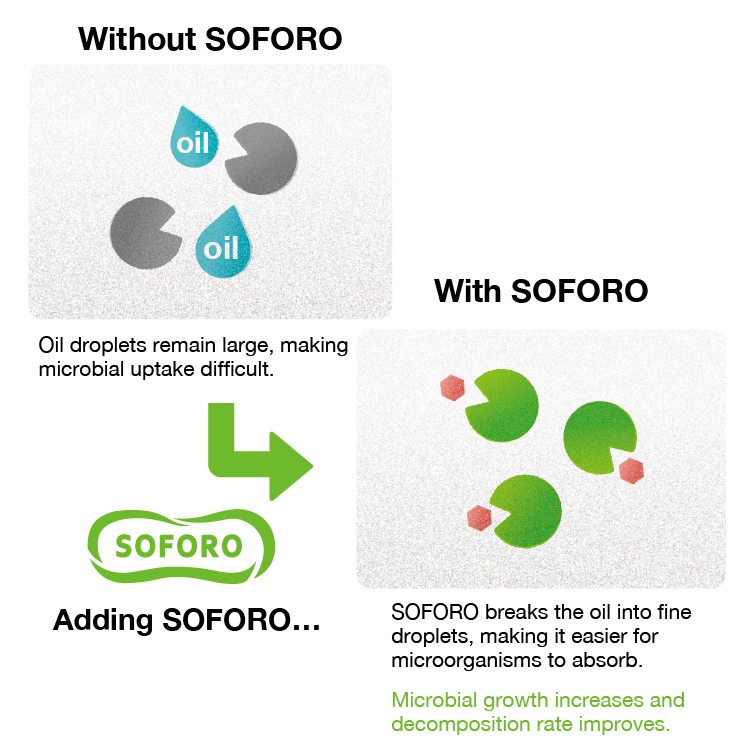
We are currently investigating whether adding SOFORO to bioremediation, a technology that uses microbial activity to break down oil. Employed for soil remediation at former sites and petrol stations, SOFORO can enhance efficiency and shorten project timelines.

Decellularization solution
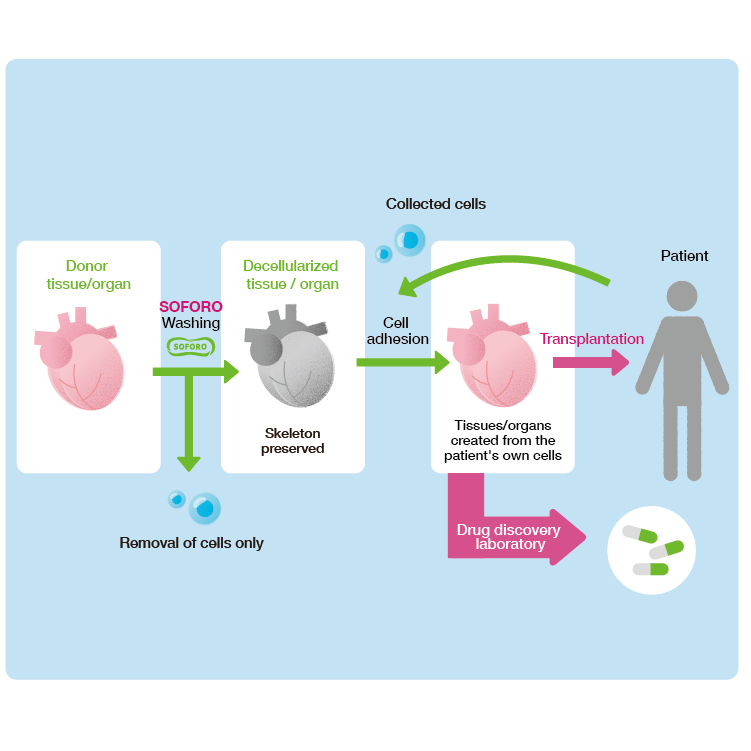
In regenerative medicine, a decellularization method that minimizes structural damage is desired; SOFORO solution is being evaluated for this application.
SARAYA and SOFORO (Sophorolipid)
In 1952, when post‑war Japan faced poor hygiene and infectious disease outbreaks, SARAYA released Japan’s first liquid soap and dedicated dispenser, capable of simultaneous handwashing and disinfection, to prevent infectious diseases such as dysentery.
During Japan's high‑growth era, when petroleum‑based detergents caused water pollution and skin issues, we launched "Yashinomi Detergent," made from coconut oil, prioritizing biodegradability with plant-based detergents. In 1982, we introduced Japan’s first refill pouch—now a symbol of eco‑friendly detergents.
As the 21st century dawned, with global warming countermeasures, sustainable raw material sourcing, and environmental pollution emerging as new challenges, we took on the challenge of commercialising “biosurfactants” – hailed as the third generation of cleaning agents following soap and detergents.
Research commenced in 1997, culminating in its successful implementation in society by 2001. Through meticulous work identifying the optimal fermentation balance – including raw material selection and yeast growth conditions – SARAYA finally succeeded in the stable production of SOFORO (sohorolipid).
Focus on biosurfactants* — SOFORO Project begins
(*) Biosurfactants: surfactant molecules produced by fermentation. Although identified in the 1970s, stable large‑scale production was long considered difficult (as of July 2025).

By optimizing fermentation balance with living yeast, stable production was achieved, leading to the launch of ‘SOFORON,’ a dishwasher detergent
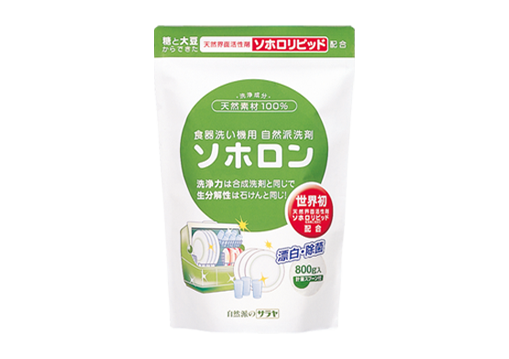 World’s first dishwasher detergent formulated with the natural biosurfactant SOFORO.
Exploring SOFORO’s potential revealed diverse functions beyond basic cleaning, low foaming, rinsability, and biocompatibility

Products developed utilizing these research findings
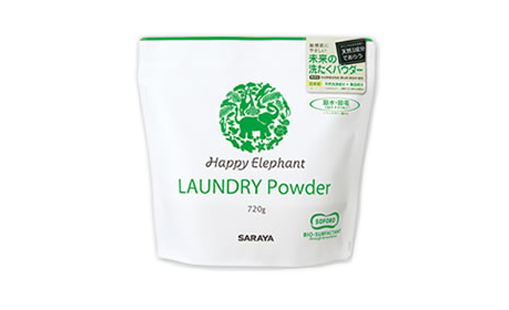 Happy Elephant Laundry Powder
Participated in Osaka University Graduate School of Medicine’s cross‑innovation projects, including joint regenerative‑medicine research


Biosurfactant SOFORO receives the Good Design Award

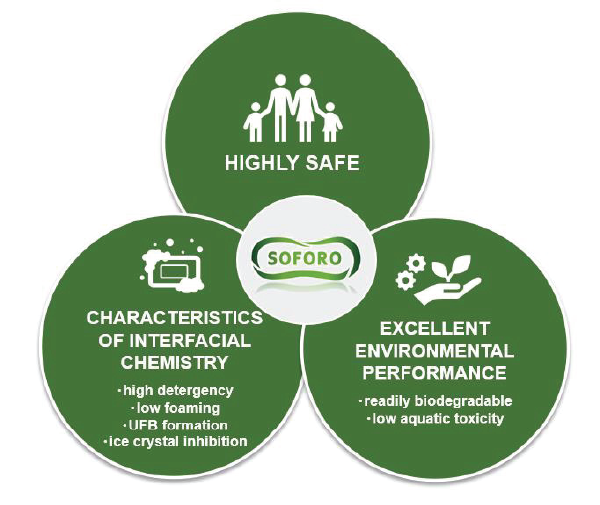
SOFORO applied to regenerative medicine for high‑level safety; to soil cleaning for environmental compatibility; to medical cleaning through fine‑bubble generation

Exhibited at the Blue Ocean Dome during the Expo 2025 Osaka, Kansai
 ©ZERI JAPAN
Video presentation at the Blue Ocean Dome during the Expo 2025 Osaka, Kansai
From late May 2025 until closing, SARAYA showcased future‑technology exhibits and videos at the Blue Ocean Dome pavilion, themed on oceans, water, and the environment.
New Material Sophorolipid (SOFORO) and Its Applications in Healthcare Settings
In this article, the new sophorolipid (SOFORO), which is produced by fermentation using the yeast Starmerella bombicola, is introduced, with a focus on its use in healthcare settings.
Awards
200252nd Industrial Technology Award

2008Small/Startup Business Innovation Research (SBIR) Success Case Collection

201325th Small‑ and Medium‑Enterprise Excellent New Technology & Product Award
201666th Industrial Technology Award

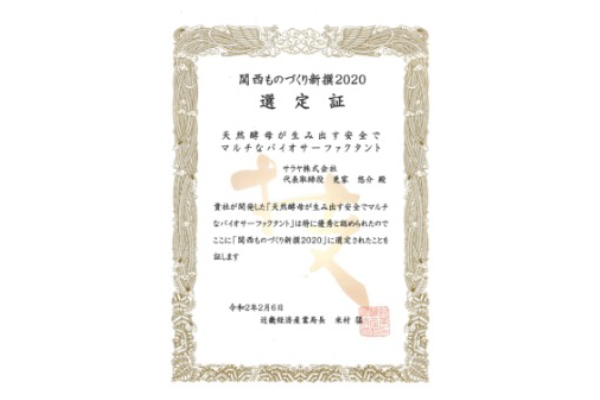
2020Kansai Monozukuri New Selection 2020
Published Research
- Morikawa M, Hirata Y, Imanaka T. A study on the structure-function relationship of lipopeptide biosurfactants. Biochim Biophys Acta. 2000 Nov 15;1488(3):211-8
- Y. Hirata, Development of the Low-Foaming Detergent with Glycolipid Biosurfactant ‘Sophorolipid’, International Network for Information of Technology Newsletter, No.7, pp30, 2003
- 高本一夫、五十嵐敬祐、平田善彦、「食品衛生用洗浄・除菌剤の近況 [Recent Trends in Cleaning and Sanitizing Agents for Food Hygiene]」ジャパンフードサイエンス、44, 6, 30-35, 2005
- Hirata Y, Ryu M, Oda Y, Igarashi K, Nagatsuka A, Furuta T, Sugiura M. Novel characteristics of sophorolipids, yeast glycolipid biosurfactants, as biodegradable low-foaming surfactants. J Biosci Bioeng. 2009 Aug;108(2):142-6
- Hirata Y, Ryu M, Igarashi K, Nagatsuka A, Furuta T, Kanaya S, Sugiura M. Natural synergism of acid and lactone type mixed sophorolipids in interfacial activities and cytotoxicities. J Oleo Sci. 2009;58(11):565-72
- Hirata Y, Ito H, Furuta T, Ikuta K, Sakudo A. Degradation and destabilization of abnormal prion protein using alkaline detergents and proteases. Int J Mol Med. 2010 Feb;25(2):267-70
- 平田善彦,バイオサーファクタント(ソホロリピッド)の工業生産と洗浄剤への利用 [Industrial Production of Biosurfactant (Sophorolipid) and Its Application to Detergents],日本防菌防黴学会誌,39,261-267,(2011)
- N. Ishii, T. Kobayashi, K. Matsumiya, M. Ryu, Y. Hirata, Y. Matsumura and Y. A. Suzuki, Transdermal administration of lactoferrin with sophorolipid, Biochem Cell Biol. 90, 504-512, (2012)
- 尾田友香、平田善彦、「食と健康の高安全化 -殺菌、滅菌、消毒、不活化、有害物除去技術 3章.殺菌、滅菌、消毒、不活化のメカニズムと無菌保証 3-10.界面活性剤 [Enhancing Safety in Food and Health – Sterilization, Disinfection, Inactivation, and Hazard Removal Technologies: Chapter 3. Mechanisms of Sterilization, Disinfection, Inactivation, and Sterility Assurance: 3–10. Surfactants]」S&T出版; 初版 (2012/9/4)
- 平田善彦、「医療器具の洗浄にまつわる最近の動向 [Recent Trends in Medical Device Cleaning]」サプライズム、4(2), 1-4, (2012)
- 平田善彦、「酵母の発酵で生まれるバイオ洗浄成分“SOFORO AD-30” [Bio-cleaning Component “SOFORO AD-30” Derived from Yeast Fermentation]」科学と工業、86(12), 451-456, (2012)
- 石井七瀬、竜瑞之、平田善彦、鈴木靖志、「皮膚へのラクトフェリンの作用に及ぼすソホロリピッドの影響 [Effect of Sophorolipid on the Action of Lactoferrin on Skin]」ラクトフェリン2013、日本ラクトフェリン学会第5回学術集会実行委員会 編集、日本医学館
- Imura T, Morita T, Fukuoka T, Ryu M, Igarashi K, Hirata Y, Kitamoto D. Spontaneous vesicle formation from sodium salt of acidic sophorolipid and its application as a skin penetration enhancer. J Oleo Sci. 2014;63(2):141-7
- Sanada H, Nakagami G, Takehara K, Goto T, Ishii N, Yoshida S, Ryu M, Tsunemi Y. Antifungal Effect of Non-Woven Textiles Containing Polyhexamethylene Biguanide with Sophorolipid: A Potential Method for Tinea Pedis Prevention. Healthcare (Basel). 2014 Apr 8;2(2):183-91
- Next-generation cleaning products that “have it all”, INFORM, 26, (9) 554-557 (2015)
- Matsumiya K, Suzuki YA, Hirata Y, Nambu Y, Matsumura Y. Protein-surfactant interactions between bovine lactoferrin and sophorolipids under neutral and acidic conditions. Biochem Cell Biol. 2017 Feb;95(1):126-132
- 荒木道陽 「糖脂質型バイオサーファクタント「ソホロリピッド」の発酵生産とその応用 [Fermentation Production and Applications of Glycolipid Biosurfactant “Sophorolipid”]」化学と工業、93 (1), 8-12, (2019)
- 李特任准教授 大阪大学大学院医学系研究科 「脱細胞化組織の作製法と医療・バイオ応用 第三編 第3章 心臓(SLを用いた脱細胞化が記載) [Methods for Preparing Decellularized Tissues and Medical/Biological Applications: Part III, Chapter 3: Heart (Includes SL-based Decellularization)]」
- W. Kumano, K. Namakoshi, M. Araki, Y. ODA, A. Ueda, Y. Hirata, Low toxicity and high surface activity of sophorolipids from Starmerella bombicola in aquatic species: A preliminary study, Journal of Environmental Biology July 2019 Vol. 40 595-600
- Hirata Y, Igarashi K, Ueda A, Quan GL. Enhanced sophorolipid production and effective conversion of waste frying oil using dual lipophilic substrates. Biosci Biotechnol Biochem. 2021 Jun 24;85(7):1763-1771
- 荒木道陽、平田善彦 「バイオサーファクタントの発酵生産技術とその応用 [Fermentation Production Technology of Biosurfactants and Their Applications]」Cosmetic stage / 技術情報協会 編 16 (1), 23-28, 2021-10
- Araki, M., Kunimi, E., Hirata, Y., Muraoka, M., Tsujino, H., Arai, M., Hirata, K., and Nagano, K. (2024). The Lower Toxicity and Wider Safety Range of Acidic Sophorolipid Compared to Surfactin and Rhamnolipid as Biosurfactants toward the HaCAT, THP-1, and RAW 264.7. BPB Reports 7, 56-60
- R. Ishizaki, M. Araki, G.L. Quan, Y. Hirata. The upcycling of waste frying oil and the effect on sophorolipid productivity. J. Surfactants Deterg., 24 (10) (2024)
- 石崎龍、荒木道陽、平田善彦 「廃食油のソホロリピッドへのアップサイクル活用と生産性への影響 [Upcycling of Waste Frying Oil into Sophorolipids and Its Impact on Productivity]」Oleoscience 24 (10), 447-453, 2024
- Kumano W, Araki M, Shimada A, Kato Y, Oda Y, Hirata Y. Acid-form Sophorolipids Exhibit Minimal Cytotoxicity, Similar to Solvents and Oils Used in Personal Care Products, despite Being Surfactants. J Oleo Sci. 2024 Sep 1;73(9):1169-1175
- Nguyen TNT, Saito Y, Tatsumi M, Yamamoto M, Hirata Y. Potential application of acid-form sophorolipids in cell cryopreservation. Cryobiology. 2025 Jun;119:105228
Removes Dirt Preventing Re‑Deposition
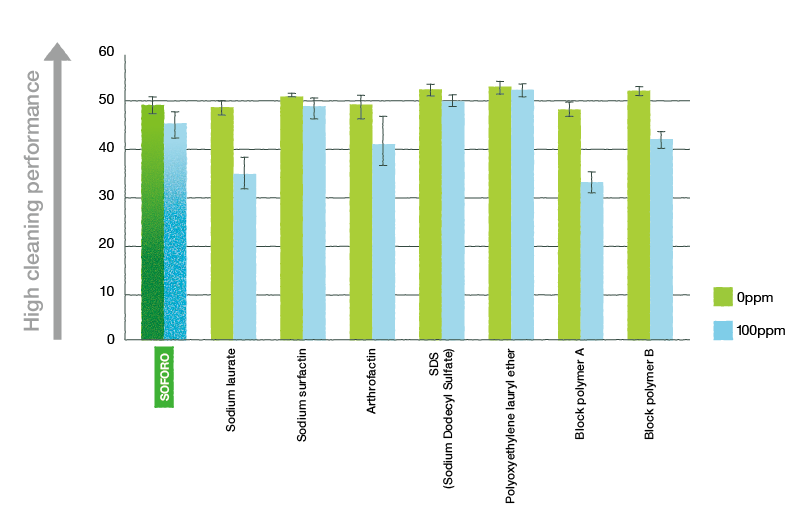
SOFORO provides cleaning and anti‑redeposition performance comparable to other surfactants.
Comparative tests with surfactants used in shampoos, hand soaps, and detergents showed that SOFORO has equivalent cleaning strength and prevents re‑deposition.
[Higher values indicate stronger cleaning power]
 [Test method]
Cleaning performance test using artificially soiled wet cloth.
Conditions: pH 8.94.
Test solution: 0.1%, Room‑temperature agitation for 20 minutes.
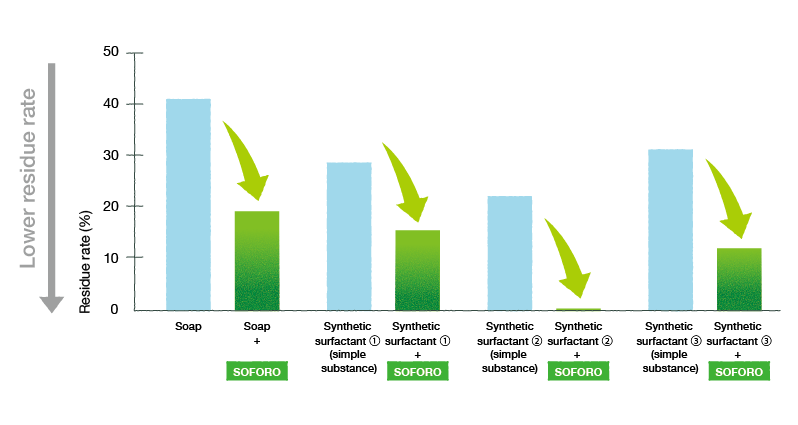
[Lower values indicate lower residue]
 [Test method]
Pig skin fragments were immersed in a 10% aqueous solution of various surfactants for 15 seconds, rinsed with tap water for 15 seconds, and then stained with a 1% indigo carmine aqueous solution for 15 seconds. After staining, the pig skin fragments were lightly rinsed, and the degree of staining was measured using a colorimeter. The surfactant adsorption retention rate was calculated from the change in colour intensity before and after staining.
By Adjusting The Amount Of Foam, It Can Be Tailored To Suit The Application
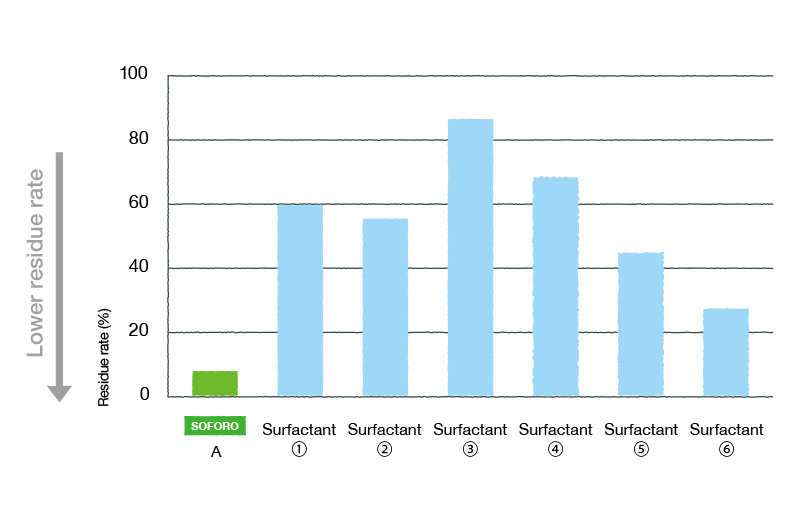
Low foaming, easy to rinse, and low residue
Even with reduced foaming, it rinses easily and leaves little residue compared to synthetic surfactants
[Lower foam height indicates lower foaming]
| Surfactant | Foam height | |||
|---|---|---|---|---|
| 0ppm | 100ppm | |||
| Immediately after | After 5 minutes | Immediately after | After 5 minutes | |
| SOFORO | 24 | 20 | 23 | 9 |
| SLS | 240 | 210 | 10 | 8 |
| SDS | 202 | 195 | 227 | 202 |
| PEG/PPG-3/17 copolymer | 18 | 1 | 10 | 0 |
Test conditions: 20°C, hard water prepared per AOAC, test concentration 0.1%
[Lower value indicates lower residue]
 [Test method]
Pig skin fragments were immersed in a 10% aqueous solution of various surfactants for 15 seconds, rinsed with tap water for 15 seconds, and then stained with a 1% indigo carmine aqueous solution for 15 seconds. After staining, the pig skin fragments were lightly rinsed, and the degree of staining was measured using a colorimeter. The surfactant adsorption retention rate was calculated from the change in colour intensity before and after staining.
It Emulsifies Oil And Water
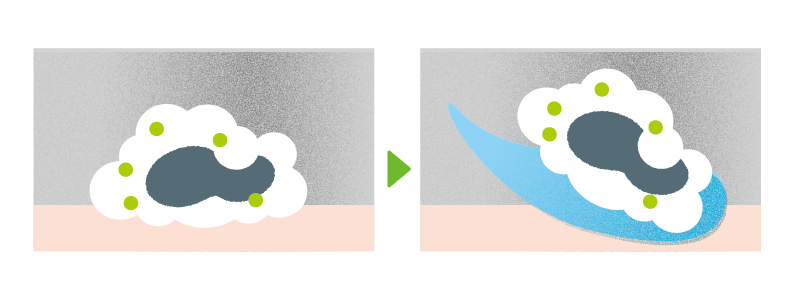
SOFORO shows the ability to blend water with various oils
Water–oil blending is essential for removing oily soils, and SOFORO blends with any oil type
Breaks Down And Returns To Nature
SOFORO breaks down naturally and returns to soil and water.
SOFORO shows biodegradability equal to or higher than soap, which is known for high biodegradability. It also biodegrades more readily than other surfactants. After 28 days, more than 90% is broken down by microorganisms.
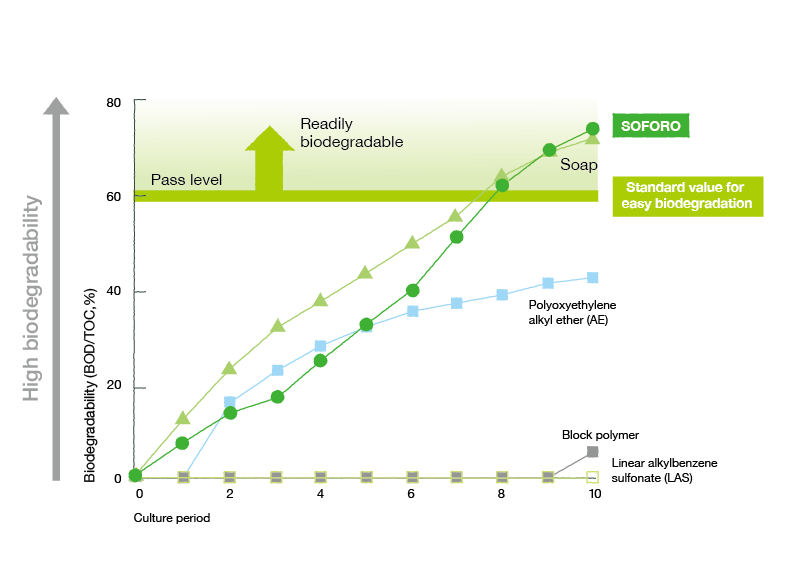 [Test method] OECD 301C Modified MITI test. [Pass level] BOD/TOD ≥ 60% within 28 days.
Minimal Impact On Aquatic Organisms
SOFORO shows low toxicity toward aquatic organisms and yields favorable values across all test metrics.
Compared with synthetic surfactants, SOFORO has lower environmental impact on aquatic life.
Toxicity test using Japanese Medaka (Oryzias latipes).
[Higher numbers indicate higher safety]
| Surfactant | Median lethal concentration (mg/L) | Surface tension (mN/m) at median lethal concentration |
|---|---|---|
| SOFORO | 65 | 39 |
| LAS2 | 8 | 50 |
| AS2 | 9 | 65 |
| AES2 | 13 | 54 |
| AE2 | 5 | 48 |
| Soap2 | 80 | 56 |
2. Journal of Oleo Science, 56 (5), 2007
LAS: Linear alkylbenzene sulfonate
AS: Alkyl sulfate
AES: Polyoxyethylene alkyl ether sulfate Na
AE: Polyoxyethylene alkyl ether
Almost No Irritation To Skin
Classified as "non-irritating" — you can use it with confidence
Even when tested at 10% and 30% concentrations of SOFORO against 5% synthetic surfactants, skin cell survival rates remained high and irritation remainded minimal.
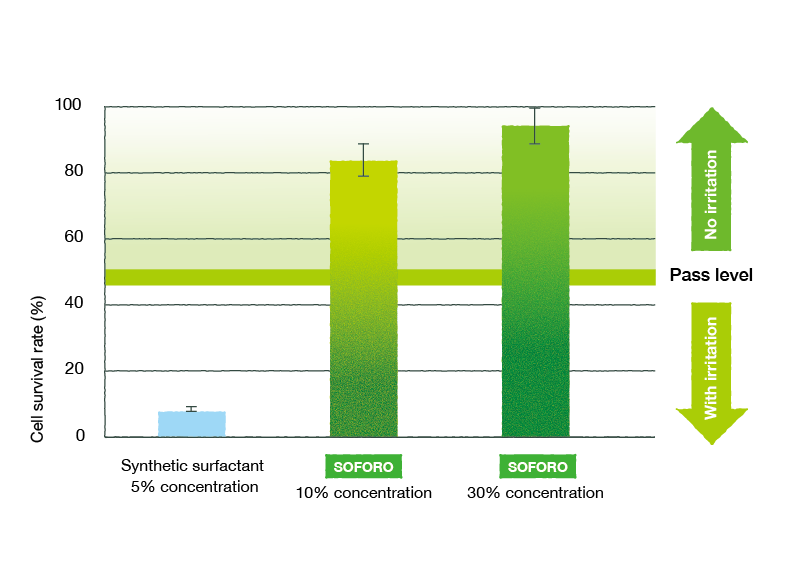 [Test sample]
Acidic components contained in SOFORO
[Test method]
Using a 3D cultured skin model (J-TEC Labcyte EPI-MODEL), samples adjusted to specific concentrations and pH were applied for 24 hours, then rinsed with phosphate buffer and evaluated for cell survival.
[Pass level]
Cell survival ≥ 50% = No irritation; below 50% = Irritation
Low Irritation And High Compatibility With Biological Cells
SOFORO shows tens of times lower cytotoxicity compared to other surfactants
Compared with other natural materials and surfactants, SOFORO shows low irritation and high biocompatibility. Furthermore, it also provides better ice‑crystal suppression than commonly used Dimethyl Sulfoxide (DMSO), which is essential for safe cryopreservation.
[Higher values indicate higher safety]
| Surfactant | HeLa cells |
Human keratinocytes |
ヒト線維芽細胞 |
Rabbit corneal |
|---|---|---|---|---|
| SOFORO | 2500 |
280 |
880 |
1700 |
| Polysorbate 80 | 1000 |
n.d. |
1500 |
n.d. |
| Alkyl polyglycoside | 38 |
n.d. |
n.d. |
370 |
| Sodium surfactin | 88 | 14 |
150 |
n.d. |
| Lecithin | 400 | n.d. |
n.d. |
n.d. |
| Sodium cocoyl glutamate | 35 | n.d. |
160 |
57 |
| Cocamidopropyl betaine | 205 | 10 |
n.d. |
115 |
| Polyoxyethylene alkyl ether | <10 |
<10 |
n.d. |
34 |
| Polyoxyethylene alkyl ether sulfate | 150 |
41 |
>200 |
41 |
values represent IC50 (effective concentration)
[Lower values indicate better ice‑crystal suppression]
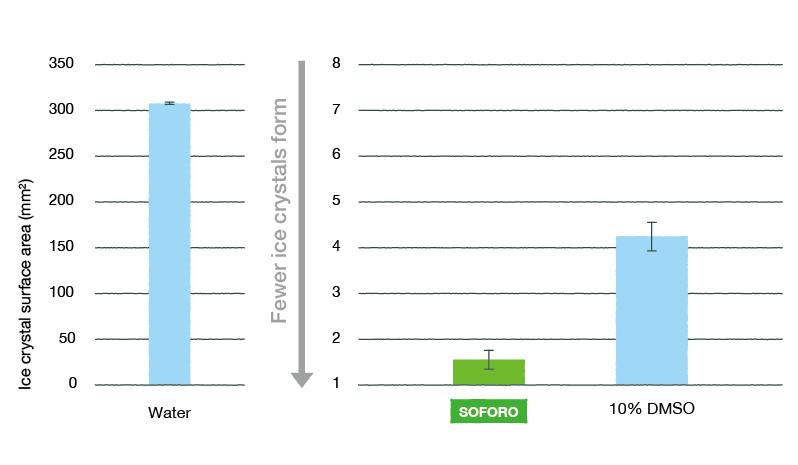 [Test method]
Samples were frozen on a cooling stage of an AFM system (AFM5000/AFM5300, Hitachi High‑Tech) and observed with an optical microscope.
*Conducted with support from the Osaka University Nanotechnology Platform.*
Enhances Penetration Into The Skin
SOFORO promotes the penetration of water‑soluble active ingredients
Using SOFORO together with water‑soluble active ingredients increases their ability to penetrate the skin.
[Colored areas indicate penetration]
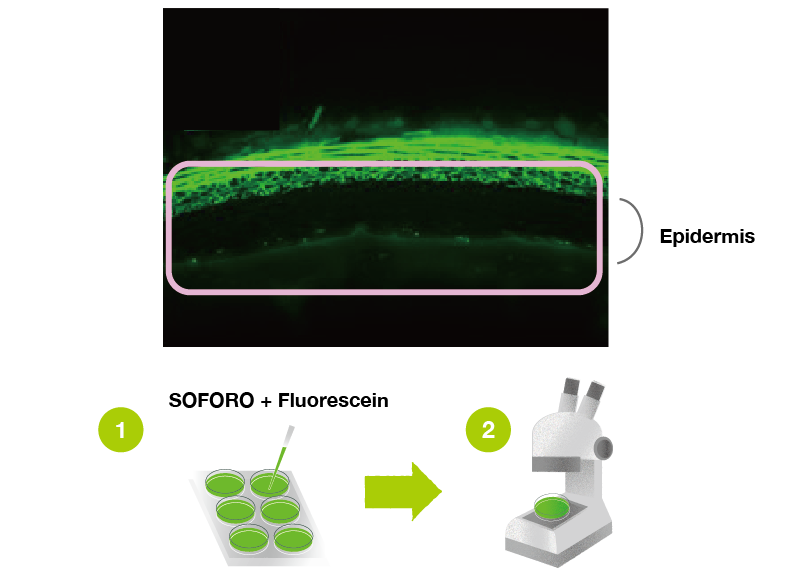 [Test method]
Three‑dimensional cultured skin was treated with a solution containing 0.1% SOFORO and 0.1% fluorescein in phosphate-buffered saline (pH 7) for two hours, frozen, sectioned, and observed under a fluorescence microscope.
Enhances Penetration Into Hair
SOFORO promotes penetration of water‑soluble active ingredients
Using SOFORO together with water‑soluble ingredients increases their penetration into hair.
[Colored areas indicate penetration]
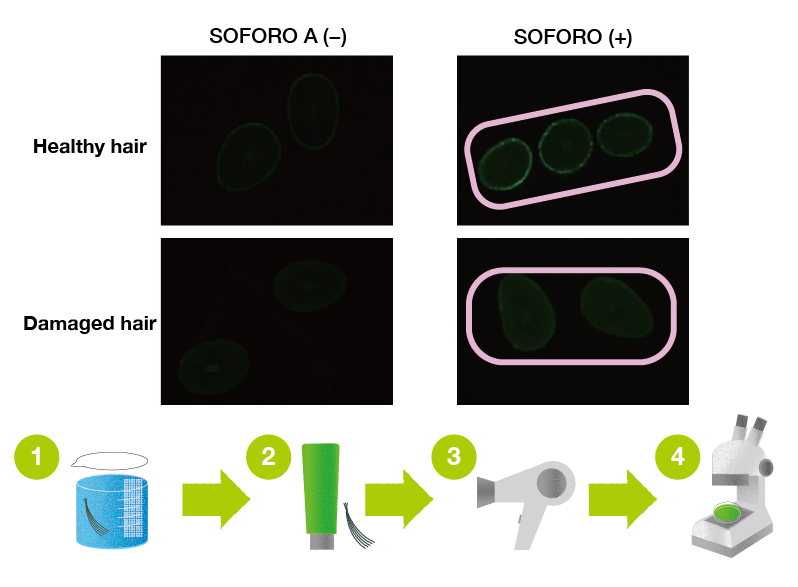 [Test method]
Hair was pre‑washed and dried, then treated with diluted shampoo (10×) at 40°C for 10 minutes, followed by company conditioner for 10 minutes, dried, then immersed in a 0.08% fluorescent‑dye solution with or without SOFORO at 30°C (pH 7) for 15 minutes and dried before fluorescence microscopy.
Fine Bubbles Thoroughly Remove Dirt
Generating fine bubbles increases cleaning efficiency
Combining SOFORO with food‑grade carbonates and organic acids produces fine bubbles that increase cleaning performance.
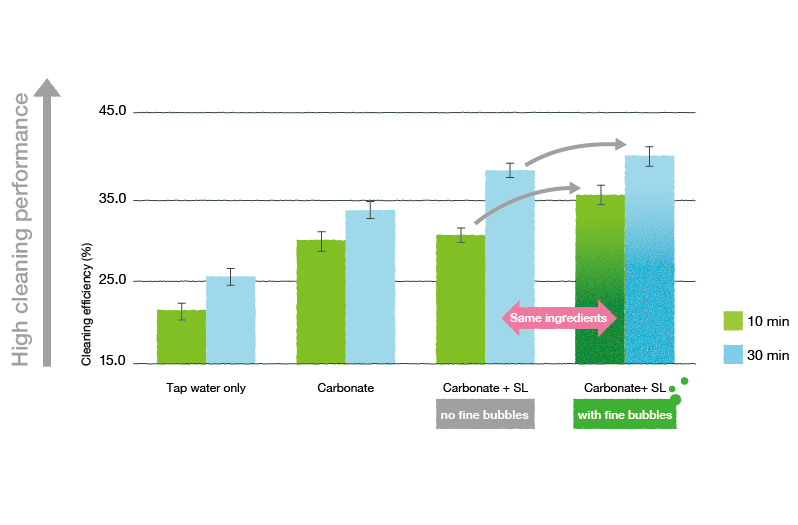 [Test method] Device: Tergotometer
Stirring speed: 120 rpm
Washing temperature: 30°C
Washing time: 10 or 30 minutes
Rinsing: 3 minutes / 1 cycle
Test cloth: artificial soiled cloth (10 pieces) and polyester cloth (10 pieces)
Enhances Ability To Remove Dirt
Quickly removes sebum without rubbing
Using soap and SOFORO together improves cleaning performance against dirt that neither could remove alone.
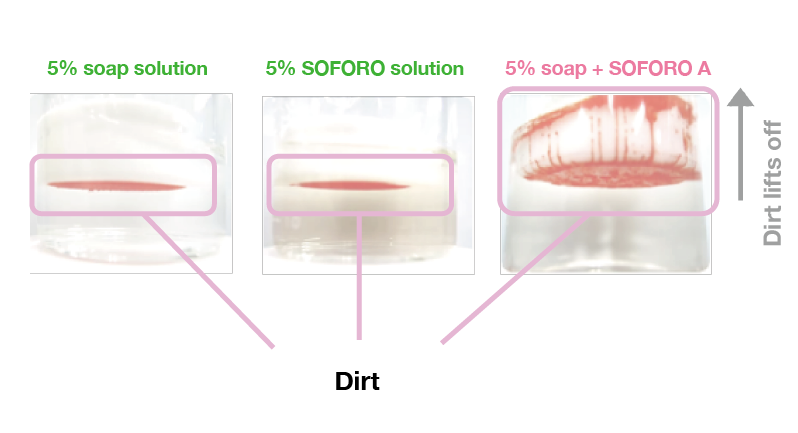 [Test method]
An artificial sebum model was applied (200 µL) to a cap and dried overnight. The cap with the sebum model was then immersed in 50 mL of test solution maintained at 42°C.
Maintains Skin Moisture
Helps retain moisture after washing, improving smoothness
Using soap together with SOFORO increases skin moisture levels and reduces moisture loss, resulting in a more hydrated finish.
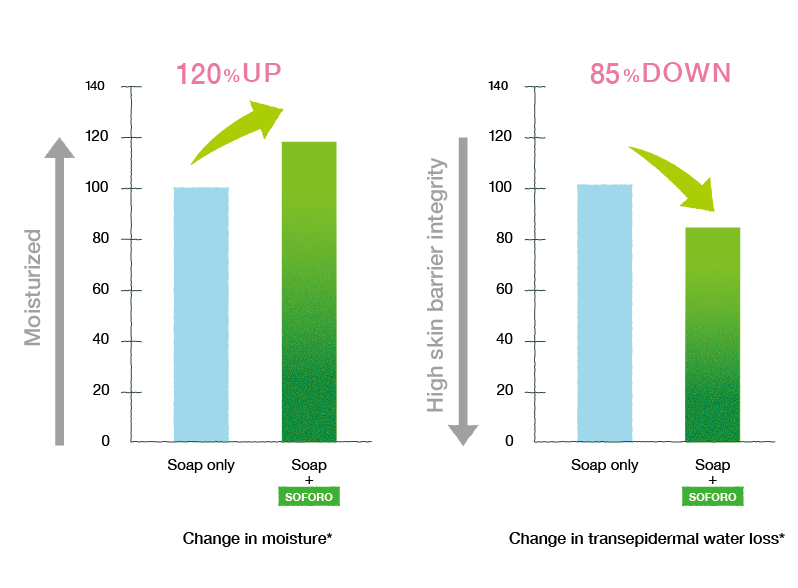 Test method: A marked forearm area was washed for 20 seconds and rinsed for 10 seconds, repeated 10 times. Skin moisture and transepidermal water loss were measured before and after washing, with the percentage change calculated.