


Hand hygiene is the basis for medical quality and an important part of patient safety. Specifically, ensuring and strengthening healthcare workers' implementation of hand hygiene can reduce the incidence of healthcare-associated infection significantly and support staff and patients' health and safety. Improving hand hygiene compliance with that goal requires comprehensive education and training measures, facility improvement, monitoring and feedback, and a culture of safety.
Definition of hand hygiene
Hand hygiene is the general term for hand washing and hygienic or surgical hand disinfection performed by healthcare workers during their professional activities. Hand washing is the process of rubbing and washing the hands with running water and hand soap to remove dirt, debris, and some microorganisms from the hands. Hygienic hand disinfection refers to rubbing the hands with disinfectant to reduce their transient flora, while in surgical hand disinfection, healthcare workers use running water and hand soap to rub and wash their hands, forearms, and the lower one-third of each of their upper arms before surgical operations, followed by hand disinfectant to remove or kill transient flora and reduce permanent bacteria in each of these locations. These processes are crucial to reduce the spread of pathogens and ensure the safety of patients and medical staff.
Importance of hand hygiene
Hand hygiene is irreplaceable in preventing and controlling healthcare-associated infections, as hands are one of the main organs of the human body and the main way for pathogens to spread. In clinical environments, healthcare workers frequently make contact with patients, their families, and other personnel, creating a risk of crosscontamination. In that context, hand hygiene reduces the number of pathogens carried on healthcare workers' hands, thereby lowering the risk of cross-contamination. Hand hygiene can also prevent the spread of pathogens in healthcare environments, reduce the incidence of infection in the field, and provide a simple, effective, convenient, and economical measure to prevent and control healthcare-associated infection. Its two-way effect not only protects patients but also staff, which improves the work efficiency and medical quality of healthcare.
- Hand hygiene is the first line of defence in preventing healthcare-associated infection: In hospital environments, pathogens can be easily transmitted through hand contact. Therefore, keeping hands clean is the first step in preventing healthcare-associated infection. Moreover, healthcare workers can effectively reduce the number of pathogens carried on their hands through standardised hand hygiene practices, thereby reducing the risk of crosscontamination.
- Hand hygiene compliance affects the effectiveness of healthcare-associated infection prevention: The degree to which staff follow the standards for hand hygiene has been shown to directly affect the incidence of healthcare-associated infection. When healthcare workers strictly adhere to hand hygiene standards, the incidence of infection will be significantly reduced. On the contrary, the risk of infection will increase if hand hygiene compliance is low.
- The quality of hand hygiene determines the level of hospital infection prevention and control: The quality of hand hygiene is based not only on its performance but also on its standardisation and effectiveness. Only by strictly following the standard hand hygiene practices can the cleanliness of hands be ensured, thereby achieving the purpose of preventing infection. Therefore, improving the quality of hand hygiene is an important measure to raise healthcare-associated infections' prevention and control.
- Measures to improve hand hygiene compliance
- Strengthening training and feedback
- Formulate training plans every year: The content of these plans should cover hand hygiene standards, such as the six-step hand washing method; the appropriate timing of hand hygiene (such as before and after touching a patient, before clean/aseptic procedures, etc.); and the significance of compliance and carrying out diversified training. Regularly hold hand hygiene knowledge lectures for all staff, including actual cases that illustrate the importance of hand hygiene, the correct hand hygiene methods, and their timing. Organise hand hygiene competitions every year, such as ones where staff develop hand hygiene slogans and practice videos. Publish a new hand hygiene computer desktop background on the hospital intranet each year and require its use on all computers. Play hand hygiene promotion videos on the wards to educate staff and patients.
- Strengthen the induction training for new workers: New employees must receive training and undergo a strict assessment by infection control professionals. Only those who pass the assessment can take up their posts.
- Training and special education for different positions: Carry out targeted and strengthened training for different positions, such as doctors, nurses, administrative office staff, and logistics personnel. For example, for cleaning and security personnel who frequently come into contact with pollutants, a special emphasis should be placed on the key points of hand hygiene in environmental cleaning, to improve their knowledge and standardise their practices.
- Optimising hand hygiene facilities and resource allocation
-
- Appropriate configuration of hand-washing facilities: Review the layout of hand-washing sinks and quickdrying hand disinfectant facilities ( on wards, in consulting and treatment rooms, etc.), ensuring there is a sufficient quantity and that they are reasonably located. Set up non-touch dispensers in corridors and at ward doors to avoid reduced compliance due to time constraints or long distances. Provide warm water for hand washing and skin-protecting disinfectant gel in winter to reduce skin irritation.
- Convenient products: Induction faucets, high-quality hand soap, and disposable hand towels, among others, can improve convenience and the comfort of use.
- Material support and financial support: The hospital must ensure a continuous supply of hand hygiene products (such as alcohol disinfectants and hand towels) to prevent departments from reducing their use due to cost concerns.
- Establishing monitoring, management, and a feedback system
-
- Establish a monitoring team: These full-time staff from the infection control department and members of the infection control teams of each department should regularly check the implementation of hand hygiene according to the Rules for the Monitoring and Assessment of Hospital Infections.
- Scientific monitoring methods: Use direct observation, random sampling, bacteriological testing, and other such methods to monitor the implementation of hand hygiene before and after operations. Avoid formalism such as 'surprise hand washing' before sampling and instead emphasise dynamic monitoring in real scenarios.
- Establish a feedback, reward, and punishment system: Communicate the monitoring and inspection results to each department and record those in a ledger. Rectify existing problems, reward those who excel, and warn or punish those who don't follow the rules.
- Create a hand hygiene culture atmosphere
-
- Leaders take the lead: Hospital leaders at all levels and department heads should take the lead in maintaining good hand hygiene, setting an example for all employees, and demonstrating its importance.
- Multi-channel publicity: Popularise hand hygiene knowledge through the intranet Hospital Information System (HIS), promotional videos, and in-hospital bulletin boards, and regularly organise themed activities (such as presentations or skill competitions) to enhance the sense of participation and increase the attention all employees pay to hand hygiene.
- Team supervision and patient encouragement: Full-time staff from the infection control department and the clinical infection control team should nominate hand hygiene observers, who encourage colleagues to practice hand hygiene or remind them when they seem to forget it. Furthermore, disseminating hand hygiene knowledge to patients and their families can prompt them to encourage and supervise the hand hygiene behaviour of staff, creating a good atmosphere of joint participation.
- Institutional guarantee and continuous improvement
-
- Leadership attention and policy support: The hospital should include hand hygiene as a priority for infection prevention and control, formulate a clear management system, and supervise the progress toward achieving hand hygiene through hospital infection management committee meetings.
- Long-term planning and iterative optimisation: Evaluate the effectiveness of the plan every quarter and gradually implement management with sustainable improvement.
- Intervention to improve hand hygiene compliance can reduce healthcare-associated infection rates by 30%. Through the systematic implementation of the above measures, healthcare facilities can build a complete chain from 'enhanced awareness' to 'solidified behaviour' and ultimately achieve a long-term improvement in hand hygiene compliance.
- Strengthening training and feedback
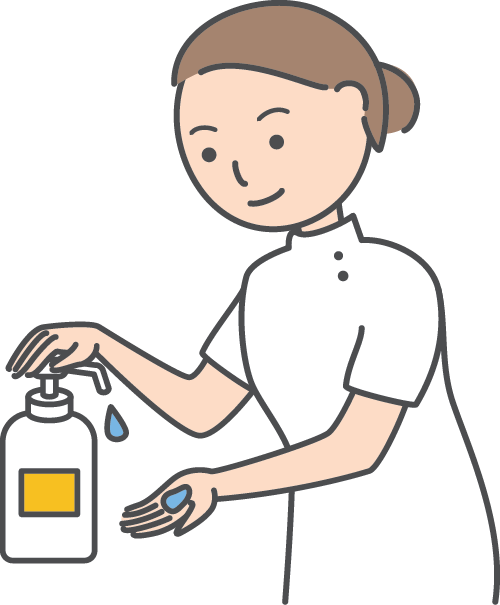 Implementing hand hygiene is an important but considerable task, one with a long-term scope and requiring continuous maintenance. Only by introducing reasonable and effective measures, identifying accurate monitoring methods, conducting comprehensive and systematic evaluations, and insisting on continuous improvement can we gradually improve the quality of hand hygiene and thus guarantee the smooth development of work in the hospital.
Regardless of the monitoring method adopted, the ultimate goal is to improve the hand hygiene compliance rate through intervention. Only when a behaviour is transformed into a habit and then elevated to a cultural concept can compliance be improved. In this case, the cultural concept to be instilled among the staff is that everyone is an infection control practitioner.
-
Publication Date:November 26, 2025
-
Category:Hand Hygiene
HosCom International 2025 Vol. 2
