


Introduction
The proper use of reusable medical devices, such as surgical instruments and endoscopes, is essential for maintaining the safety and quality of medical care. Reprocessing is crucial for reusing medical devices after use, and thorough cleaning and disinfection/sterilization must be performed to maintain the smooth operation and function of the equipment and to provide safe medical care to patients. Cleaning, in particular, is the foundation for enhancing the effectiveness of subsequent disinfection or sterilization by removing a wide variety of contaminants, including blood, lipids and tissue fragments. Simultaneously, reducing the number of contaminating microorganisms minimizes the exposure risk for staff involved in the reprocessing, contributing to safety.
Saraya's history of products for medical device reprocessing
Under its corporate philosophy of "Connect Through Life," SARAYA has advanced the development of products for medical device reprocessing. In 2000, SARAYA launched Acezyme, a powder-type enzyme-based immersion cleaning agent, and in 2005, SARAYA introduced the medical device cleaning detergent series Power Quick (PQ). Centred on the concept of "reliable cleaning," the PQ series expanded by addressing on-site issues one by one, accumulating evidence-based performance design related to overall quality of reprocessing in areas such as cleaning performance, material compatibility, rinsability and low foaming properties.
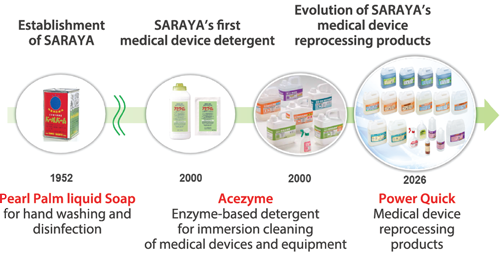 Figure 1. SARAYA's history of products for medical device reprocessing
Introduction of Power Quick Products
One of the distinctive products of the PQ series is the PQ Pre-cleaning Spray. Designed to prevent the drying and coagulation of blood and other contaminants on equipment after use, as well as to suppress microbial growth, the product helps maintain a condition that facilitates effective cleaning at the initial stage of the cleaning process. As shown in Figure 2, while dirt solidifies as drying time increases, the pre-cleaning spray treatment suppresses drying and solidification. Furthermore, because the product is foamless, rinsing is unnecessary, allowing a seamless transition to the mechanical cleaning process and improving operational efficiency on site. In addition, chloride ions from tap water, saline solutions and drug residues can cause corrosion of stainless steel. To address this issue, the pre-cleaning spray has been formulated with corrosion resistance in mind (Table 1), contributing to equipment longevity and high-quality reprocessing.
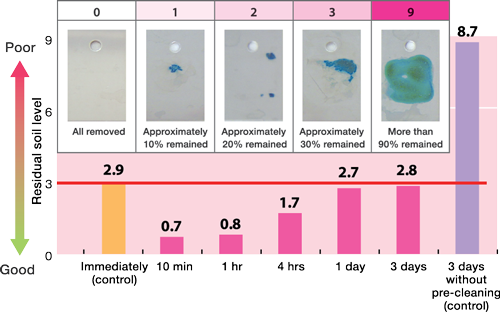 Figure 2. The effects of drying and solidification of soil and the effectiveness of PQ Pre-cleaning Spray
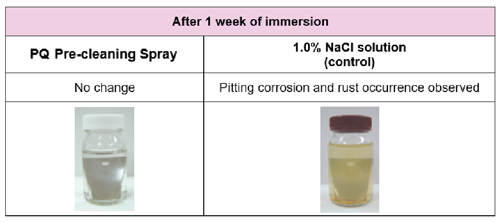
Table 1. Prevention of corrosion by chloride ions (after 1 week of immersion)
PQ Multitype Enzyme Cleaner contains lipase, amylase and cellulase in addition to protease to address complex soils. However, there is a known issue that the higher the pH, the stronger the cleaning power but the less stable the enzymes become. To resolve this, SARAYA developed a formulation that keeps the pH of the concentrate lower while increasing the pH after dilution (e.g., concentrate pH 8.2 and working solution pH 9.2), thereby achieving enzyme stability and strong cleaning performance.
To address the need to reduce the burden of using different cleaning agents in the cleaning process, PQ Multi-Purpose Enzyme Cleaner is compatible with jet cleaning, ultrasonic cleaning and immersion (manual) cleaning. To maintain corrosion protection for aluminium while ensuring low-foaming performance, the formulation incorporates carefully selected corrosion inhibitors with low-foaming characteristics, thereby achieving an optimal balance between material protection and cleaning performance.
PQ Disinfecting Enzyme Cleaner, which is designed to provide cleaning and disinfection, addresses the issue of protein adhesion reported for certain overseas cleaning agents with disinfecting claims. By selecting antimicrobial components less likely to cause fixation and designing a formulation that does not inhibit antimicrobial activity, this product achieves an optimal balance between disinfecting efficacy (Table 2) and cleaning efficacy (Table 3).
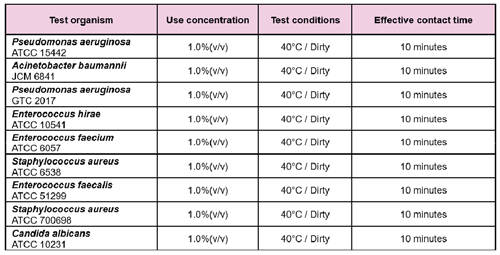
Table 2. Efficacy of PQ Disinfecting Enzyme Cleaner (EN13727 and EN13624)
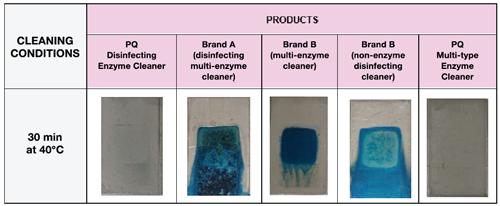
Table 3. Cleaning efficacy of PQ Disinfecting Enzyme Cleaner
An indispensable key differentiator of PQ is the utilization of biosurfactant sophorolipids (Figure 3). This biosurfactant, obtained by fermenting sugar and vegetable oil with yeast, provides an excellent balance of detergency, safety and rinsabilityrequired for medical device cleaning. In terms of cleaning efficacy, a high level of effectiveness has been observed when the surfactant is used in combination with enzymes, even in comparison with other surfactants (Table 4). Moreover, insufficient rinsing – whether in manual (immersion) or automated processes – can increase the risk of detergent residues. Saraya positions sophorolipids as core technology that simultaneously delivers high detergency, low foaming, good rinsability and environmental consideration, with applications in multiple PQ products (Figure 4), including Multitype Enzyme Cleaner and Multi-Purpose Enzyme Cleaner.
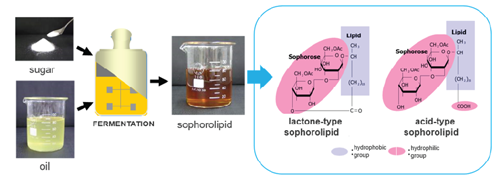
Figure 3. Fermentation and structure of sophorolipids
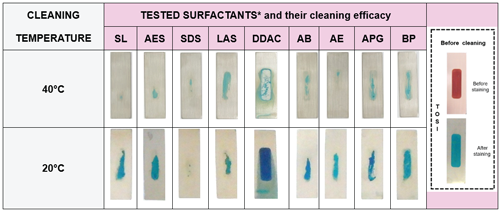
Table 4. Cleaning efficacy of surfactants in the presence of process
*Surfactants used in the test: SL: Sophorolipids, AES: Sodium polyoxyethylene dodecyl ether sulphate, SDS: Sodium dodecyl sulfate, LAS: Sodium linear alkylbenzene sulfonate, DDAC: Didecyldimethylammonium Chloride, AB: Lauryldimethylaminoacetic acid betaine, AE: Polyoxyethylene lauryl ether, APG: Alkyl polyglycoside, BP: Polyoxyethylene polyoxypropylene glycol.
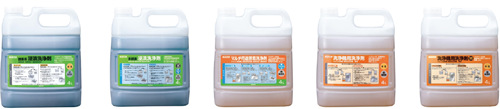
Figure 4. PQ products containingsophorolipids.
Moving forward, SARAYA will continue to refine, based on scientific evidence, the key attributes required in reprocessing settings – reliable cleaning performance, ease of use and safety for people, materials and the environment. Through the PQ series, we remain committed to contributing to the safety and quality of healthcare worldwide.
-
Publication Date:August 04, 2026
-
Category:MDR
HosCom International 2026 Vol. 2
