


In the first volume of HosCom 20231, we discussed the return to normal life in European countries that had opened, whether rapidly or gradually, after the prolonged period of lockdown (closed for social and business activities). In discussing the present topic on long COVID-19, it is worth taking a quick panoramic look at the situation of COVID-19 infection and control across healthcare settings in Europe.
Life across Europe and, indeed, around the globe has moved from the pandemic period to almost the pre-pandemic normalcy. Travels, shopping, hospitality, leisure, entertainment, sporting events, and even the healthcare sector are back to life without pandemic infection controls and precautions.
Caution and scientifically reasoned continuation of infection control measures such as washing and cleaning hands, application of alcohol hand rubs, and surface disinfections as part of an ongoing multi-model control measure were then proposed on the basis of the prevailing data showing that the causative virus of COVID-19, SARS-CoV-2, and its new mutants were still present in populations though spreading in fewer countries with less severe health impacts on the population2. The preventive measures have since almost disappeared across Europe, including in key public places, airports, train stations, and even in healthcare institutions. Where they remained, they are largely non-functional and, in certain cases, no longer attended to. All the local laws enacted to enforce the measures have also been legally dismantled.
Has the COVID-19 virus and its health effects disappeared, or are people simply cohabiting with the virus and its mutants? The latter seems to be the case, as evidence suggests that humans are now cohabiting with the SARS-CoV-2 variants, the agents of COVID-193,4.
A new sub-variant of the Omicron virus variant has been spreading in parts of Europe. Earlier in the last winter season, more than 800,000 patients had been recorded as infected by the Eris virus in the United Kingdom.
What is the current situation of COVID-19 across Europe?
The 2023/2024 seasonal winter infection was described as severe because of what some have referred to as a triple whammy, referencing the combined effect of the COVID-19 virus, the usual seasonal flu, and respiratory syncytial virus (RSV), also known as human RSV and orthopneumovirus. RSV is a contagious virus that causes respiratory tract infections with mild-to-severe cold-like symptoms depending on the patient's pre-existing medical conditions and age5.
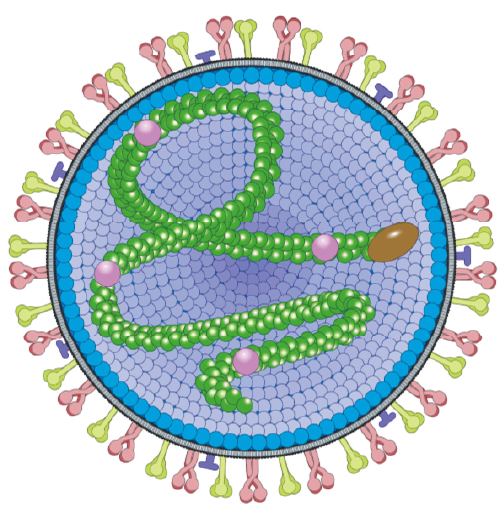
The effect of the disease differs between age groups. The most common symptoms, which may be confounded by the symptoms of COVID-19 infection, include cough, fever, headache, fatigue, sore throat, congestion, sneezing, runny nose, and wheezing, and data show that one in 20 elderly adults contracts RSV infection every year in Europe, which may result in severe illness and death5,6.
The combination of COVID-19, flu virus, and RSV infections created a challenging confounding condition that manifests similar symptoms in cases of COVID-19 in the United Kingdom and other parts of Europe. Some countries have reported increases in the incidence rates of COVID-19 without a corresponding increase in hospitalisation.
Incubation of the Omicron virus in a cell tissue culture in the laboratory. The virus is incubated to allow it to multiply, which on average takes 3 to 4 days with a maximum of 8 days7.
Although all infection prevention and control (IPC) measures, including legal powers that enable and enhance implementation, have been lifted and the pandemic, or ‘global health emergency3,4,8, are officially declared over by the World Health Organization (WHO), variants of the COVID-19 virus and the disease remain.
Above all, health impacts remain in a relatively small number of patients. One such health fallout of concern from COVID-19 has been recognised as Long COVID-199,10. The decision to declare the end of the pandemic was reached after data analysis revealed a decreasing trend in COVID-19 deaths, a decline in related hospital and intensive care admissions, and a high level of population immunity to SARS-CoV-2.
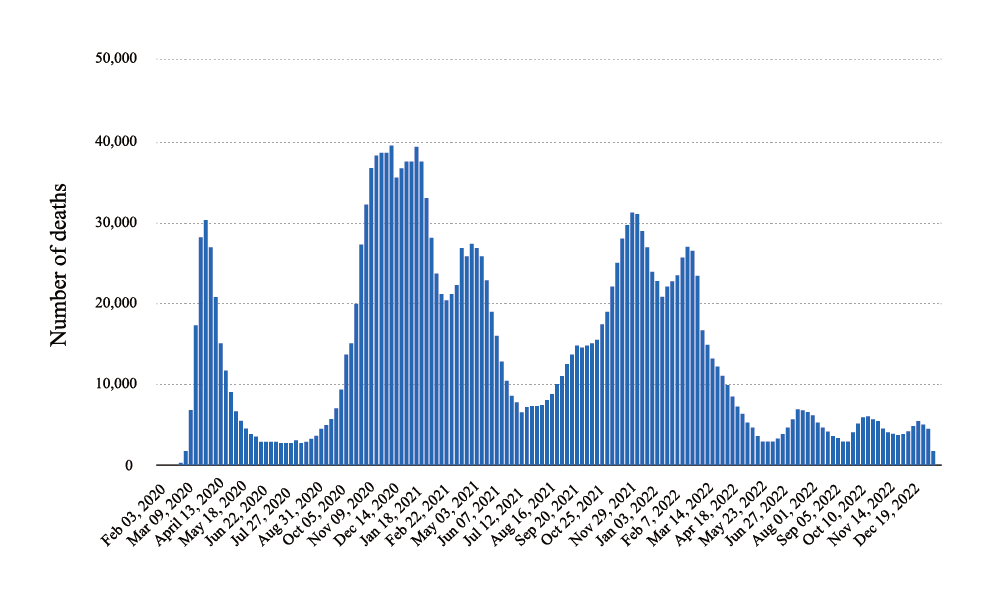 Figure 2. Number of new COVID-19 deaths in Europe, February 2020–December 202210
As COVID-19 persisted and the number of patients increased, patterns of recovery and survival rates varied significantly between patients. Currently, although the control of the pandemic has been declared a global success, some patients are still experiencing the various impacts of the disease long after that declaration10.
In a fast-shifting global geopolitical and economic landscape, these patients were beginning to feel like falling through the cracks of healthcare systems or carrying on while suffering in silence, with the global return to normal activities, overshadowing the lingering impact of COVID-19 in this minority group, hence the name long COVID-19.
What is this disease, Long COVID-19, and who is susceptible? Does it have a cure, or is it preventable? All these pertinent questions of concern and more continued to be asked.
What is long COVID-19?
Long COVID-19 descriptions are based largely on the clinical expressions and knowledge surrounding COVID-19. It started out as an initially unexplained or undiagnosed condition that developed in a proportion of COVID-19 patients. The condition has been referred to by different names, including long COVID-19, long-haul COVID-19, post-COVID-19 syndrome, post-acute COVID-19, long-term effects of COVID-19, and chronic COVID-19. The WHO recommended post-COVID-19 condition9.
In a coordinated programme involving COVID-19 patients and experts, the WHO provided an evolving definition of long COVID-19 as follows11:
“Post-COVID-19 condition (PCC) occurs in individuals with a history of probable or confirmed SARS CoV-2 infection, usually 3 months from the onset of COVID-19, with symptoms that last for at least 2 months and cannot be explained by an alternative diagnosis.
Common symptoms include fatigue, shortness of breath, cognitive dysfunction, and others and generally have an impact on everyday functioning. Symptoms may be a new onset following initial recovery from an acute COVID-19 episode or persist from the initial illness. Symptoms may also fluctuate or relapse over time.”
Among other criteria, the WHO established a symptom duration of at least 3 months to qualify it as a long COVID-19 condition7,8,9.
According to the US Centers for Disease Control and Prevention (CDC), Long COVID is the occurrence of new, returning, or ongoing health problems 4 or more weeks after an initial infection with SARS-CoV-2, the virus that causes COVID-1912. Just like the symptoms, there are various definitions, one common feature being a relatively long duration of the disease in the affected patients.
What are the symptoms of the Long COVID-19 Condition?
Although the disease expression and duration in individuals may clinically vary widely, Ann Li, the Chair of Long COVID Europe, provided a graphically vivid description of the symptoms of the disease in WHO News of September 202213:
“My husband and I got COVID-19 in the first Belgian wave of the virus in March 2020, ….. I don’t have clear memories from that time, which the doctors think was probably caused by lack of oxygen, but all I remember is the pain, not being able to breathe, being very tired and wanting to sleep all the time,”
“The worst thing for me has been the ongoing brain fog, because I normally work in a very cognitive setting where I’m having to use my brain a lot. Yet, for a while, I couldn't even talk properly. I could only talk very slowly as it was so difficult to form sentences in my head. I just couldn’t concentrate or multitask anymore. Reading became impossible. It was just horrible.”
Another widely reported case was the passing of the prominent UK personality Derek Draper at the age of 56, after years of Long COVID-19 infection. The wife, Kate Garraway, herself also a well-known TV personality, announced his death on 5 January 202414.
“As some of you may know, he has been critically ill following a cardiac arrest in early December, which, because of the damage inflicted by Covid in March 2020, led to further complications….”
In the worst-case scenario, death from long COVID-19 has been reported14. It is important to note that the disease expression and duration in individuals may vary widely15.
Dr Hans Henri P. Kluge, WHO Regional Director for Europe, pointed out that many people in the region may be saddled with debilitating symptoms many months after their initial COVID-19 infection17.
Who can develop long COVID?
In general, most people recover from COVID-19 within weeks of the infection. However, symptoms may persist for much longer in a minority of the population. This may last for months or years and may cause other disabilities or, unfortunately, death18.
Research findings have shown that between 1 month and 1 year after having COVID-19, 1 in 5 people aged 18 to 64 years develop at least one medical condition that might be due to COVID-19. Among people aged 65 years and older, this number increases to 1 in 4, with at least one medical condition potentially linked to COVID-19.
How many people have contracted long COVID-19?
It is unclear how many people have been affected by long CoVID-19. Studies have shown that 10% to 50% of all COVID-19 patients also have the extended disease2,4,9,17,18. If accurate, this is a staggering number that appears to be supported by a recent global estimate published in December 2023 by the Global Center for Health Security, which suggests that more than 65 million people, including children and adults, have long COVID-1918.
A WHO modelling showed that approximately 17 million patients living in the 53 member states of the WHO European Region might have experienced the post-COVID-19 condition or syndrome, also known as long COVID-19, during the first 2 years of the pandemic, from 2020 to 2021. A WHO report recognised that several million people may have to live with long COVID-19 for years to come9.
According to March 2022 data from the United States, long COVID-19 was estimated to have impacted 7.7 to 23 million people, of whom an estimated 1 million have been put out of work7. Hence, long COVID-19 is a significant and growing global problem.
How are the healthcare needs of this relatively new group of patients met?
Apart from the usual health provisions in the different healthcare settings across Europe, including hospitalisation and hospital visits, extensive and resource-intensive ‘care at home’ by the patients' close relatives constitutes an unofficial healthcare segment19,20.
To respond to the health needs of this group, an international network organisation, Long-COVID Europe, was created as a non-profit health support organisation. This is composed of 19 patient associations based in the European Union member states. The WHO has announced a partnership with Long-COVID Europe to help address knowledge gaps and support patient advocacy.
What is the potential long-term impact of the post-COVID-19 condition?
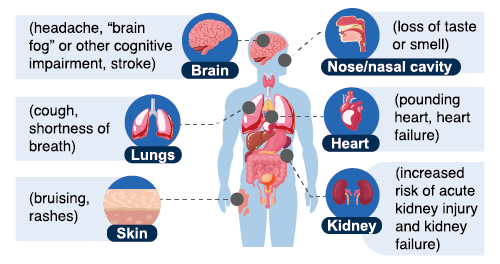
A wide range of complex post-infection conditions, which vary widely between individuals, may develop in some patients after repeated infection or long CoVID-19. People who have had severe COVID-19 might experience organ damage, including the heart, kidneys, skin, and brain9.
Inflammation and perturbation of the immune system may also occur. As noted earlier, the symptom durations are uncertain and may end with a fatality. Each effect has been suggested to be a potential precursor of other new conditions such as diabetes, heart, nervous system problems or mental health breakdown10,12,13,14,15.
What should I do if I think I am experiencing symptoms of long COVID-19?
Global healthcare authorities have advised consulting your local healthcare provider if the COVID-19 symptoms have become prolonged. For proper analysis and assessment, some preparatory steps may have to be taken before the appointment, such as writing down answers to the following questions20:
- Describe the symptoms you are experiencing (may differ between individuals)
- When did you first experience the symptoms (how long ago)?
- Do the symptoms worsen under certain conditions or activities?
- What is the frequency of the symptoms you are experiencing?
- How do the symptoms affect your daily activities?
- What other conditions are you experiencing?
How can I avoid contracting long COVID-19?
The long COVID-19 condition, or syndrome is a known consequence or follow-on of COVID-19 in some patients. Thus, the first principle of any preventive measure is to consider the basics in the prevention of contamination or infection by the SARS-CoV-2 virus and any of its newer variants. Therefore, it is critical that all IPC measures for COVID-19 are put in place.
The control and preventative measures cited in numerous publications, including the HosCom in March 20231, include proper hand washing with soap and water, application of a broad-spectrum alcohol hand rub such as any of Saraya's Alsoft VB Hand Disinfectant range, appropriate use of personal protective equipment such as masks and gloves, and social distancing, particularly when confined in poorly ventilated rooms with potential virus carriers (e.g. persons experiencing any COVID-19 symptoms). It is good practice for individuals who test positive for the COVID-19 virus to voluntarily take the necessary measures, including isolation, where possible.
Other IPC measures in a multimodal approach should include proper surface cleaning and disinfection with the right product. Ultraviolet C devices are also known to be effective against the coronavirus and its variants and sub-variants such as Omicron and Eris.
Going forward: Future recommendations for the management and prevention of long COVID-19
First and foremost, the usual IPC measures for COVID-19 must be practiced along with strengthening immunity. Prevention should always take precedence whenever possible. Moreover, hand and environmental hygiene should be maintained using appropriate chemicals, including SARAYA's Alsoft VB Hand Disinfectant for broad-spectrum antiviral activities and the Alpet D2 surface disinfectant.
Policy positions and measures to support COVID-19 IPC
More national and international research efforts are needed to understand the diagnosis, development, treatment, monitoring, and management of long COVID in individuals in society21. The benefits of decades of experience in dealing with influenza should stand in good stead for new healthcare policies in this area. These efforts will be important as new variants of the causative virus of COVID-19 continue to emerge, confounding its epidemiology with those of the common flu virus and other seasonal infections in the anticipatory healthcare events calendar.
-
Publication Date:October 04, 2024
-
Category:Outbreak
HosCom International 2024 Vol. 2
