


SARAYA Kenya Jigger Eradication Campaign in Kwale County

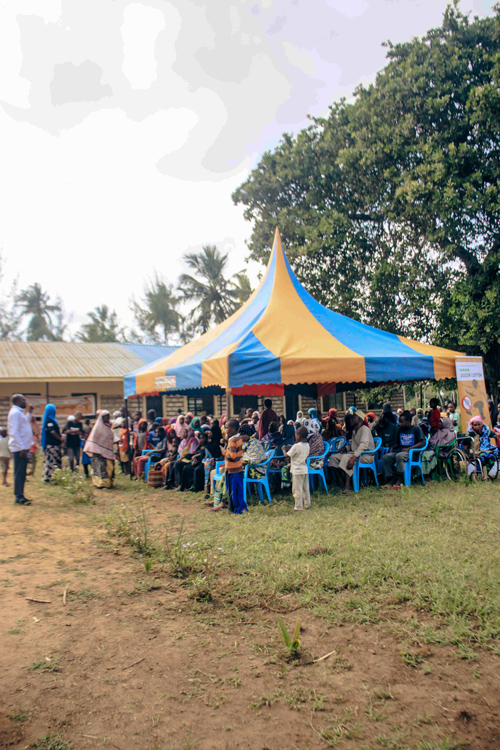
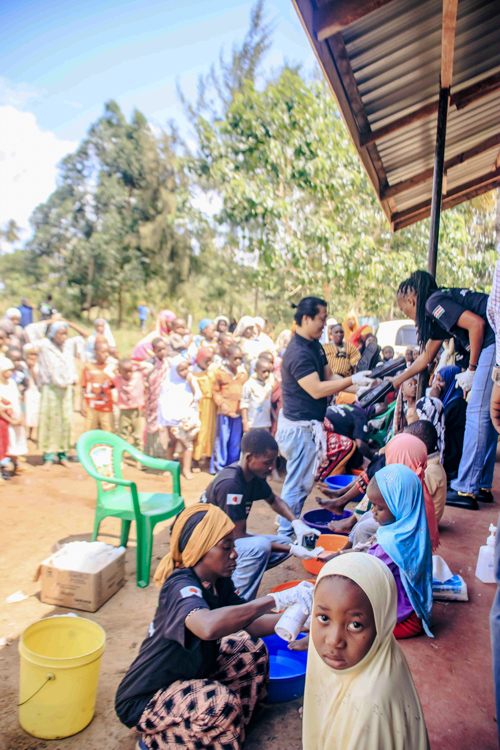
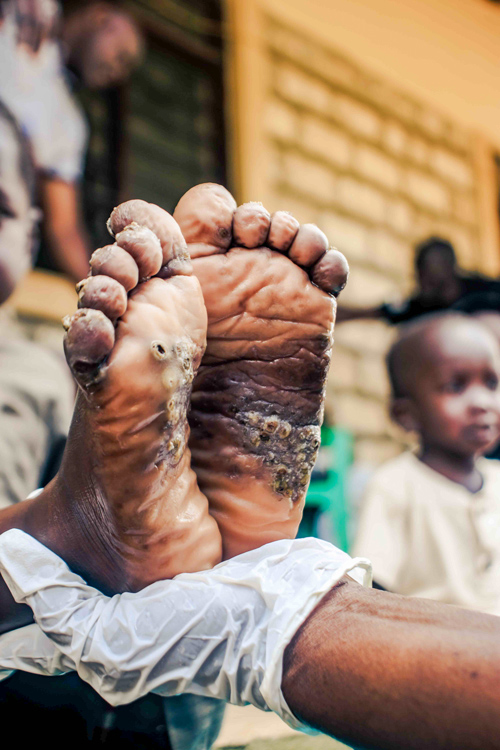
More than 300 people, from four-year-old children to residents in their eighties, gathered in Miralani, Msambweni, Kwale County on August 20, 2026, for a chance to treat a disease that is both physically painful and deeply stigmatizing: jigger infestation (tungiasis), caused by parasitic sand fleas that burrow into bare feet. SARAYA Kenya, working alongside ten local Community Health Promoters (CHPs), treated every patient who came, then sent each one home with a new pair of shoes.
SARAYA developed Jigger Lotion specifically to treat tungiasis. The product received regulatory approval from Kenya's Pharmacy and Poisons Board in 2021, and SARAYA presented it publicly alongside Kenya's Ministry of Health in August 2025. The Kwale County campaign is part of SARAYA Kenya's ongoing effort to bring that treatment directly to the communities most affected by the disease.
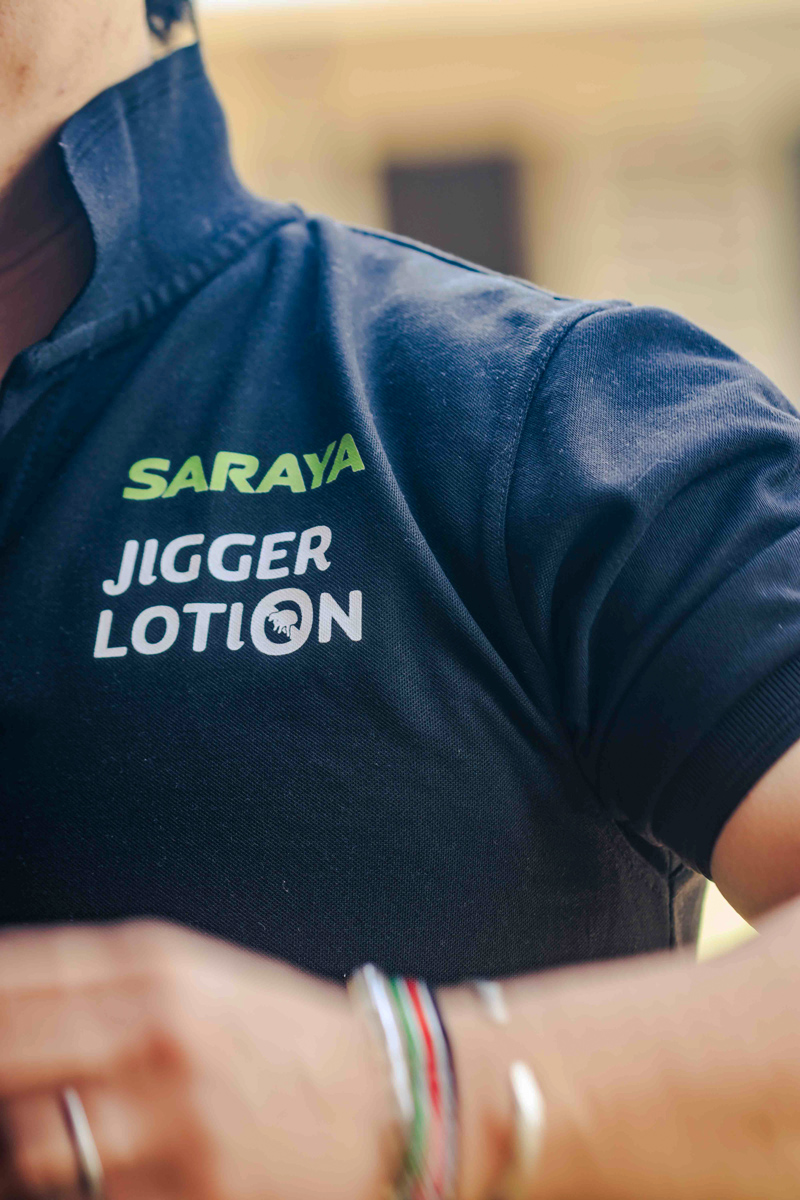
SARAYA Kenya chose Miralani based on information from the ten CHPs the team regularly works with on hygiene and infection-prevention activities. “There are still many people in Miralani who have not received the support they need,” the CHPs told the team, a reality that statistics alone do not capture. In the days before the campaign, the CHPs went door to door to inform residents and identify people who needed priority treatment. Their preparation and their standing in the community made the day possible.
On the morning of the campaign, the team gathered at the Miralani Early Childhood Development (ECD) Centre and held a briefing with the ten CHPs to review the day's schedule and the guidelines for patient care.
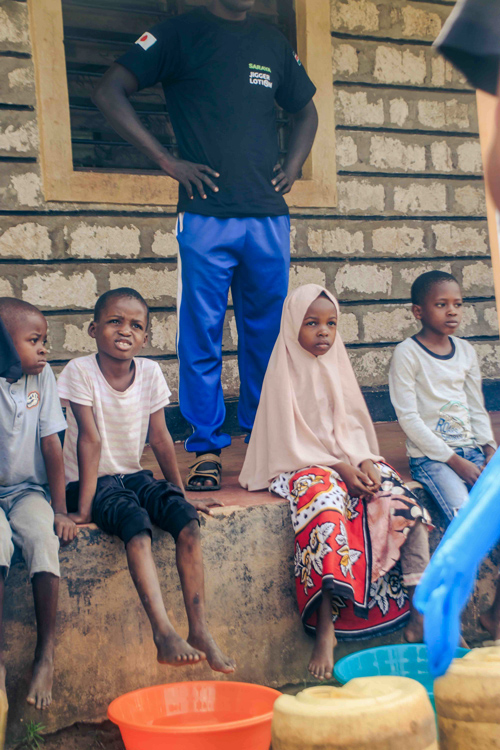
Before treatment began, the first task was simple: fetching water from the school well together with local children. Carrying buckets and talking along the way, the CHPs, the children, and the SARAYA team built a natural sense of teamwork before a single patient had been treated. Soon, residents began arriving, and the treatment activity started.
Treatment Procedure
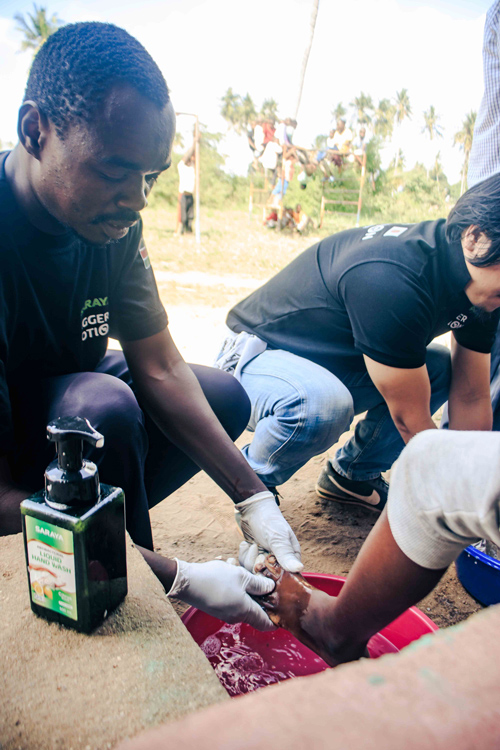
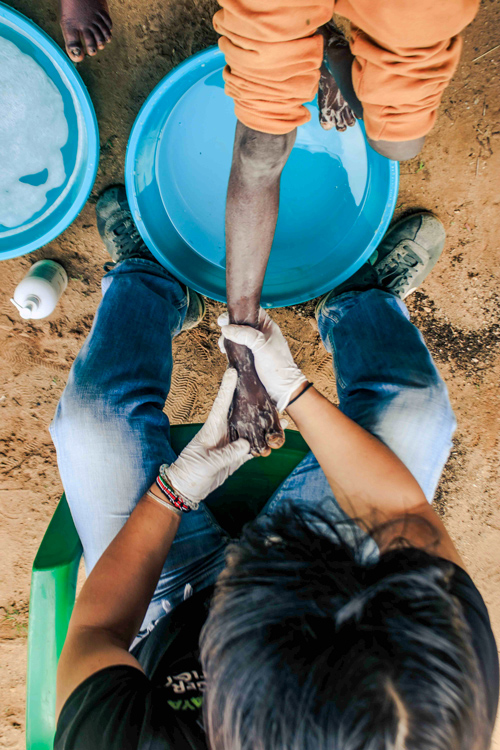
- Wash the affected feet with antibacterial soap and trim or clean the nails as necessary.
- Wipe the washed feet and let them dry.
- Apply SARAYA Jigger Lotion to the clean, dry feet and leave it on for at least 12 hours.
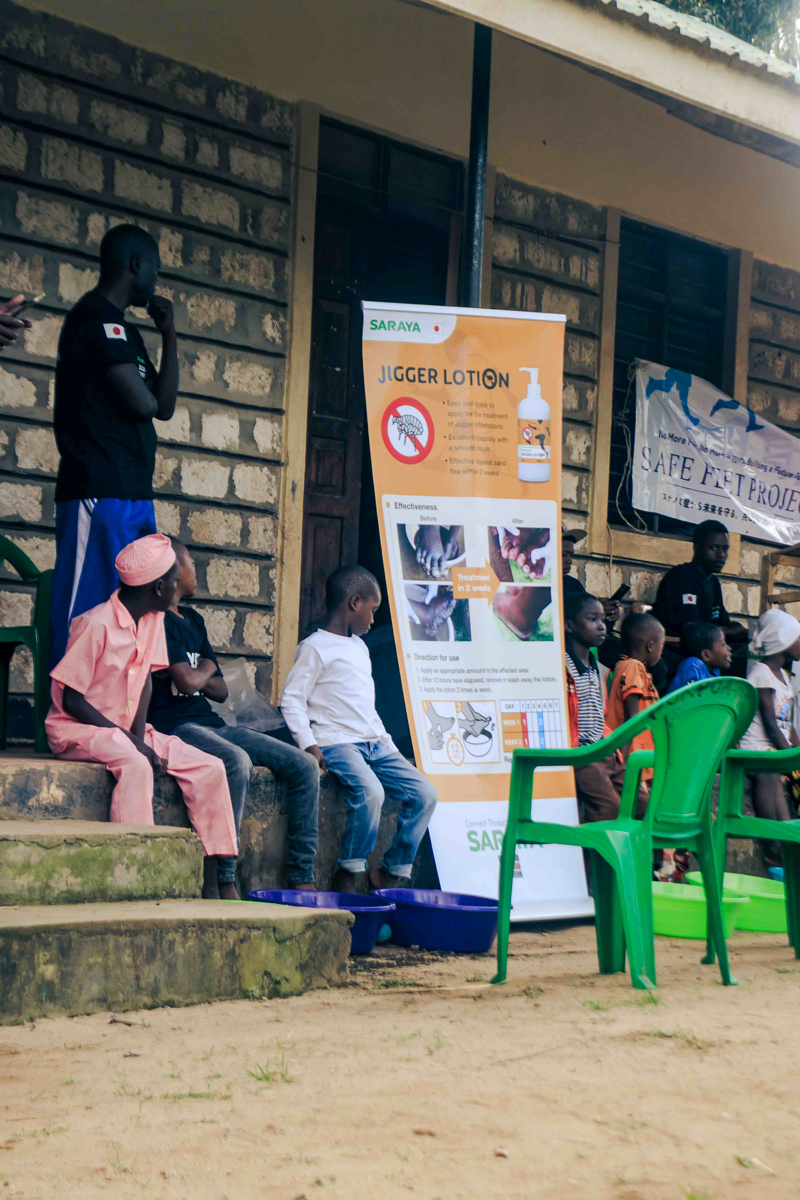
Treatment began at 10:00 a.m. Using the well water collected with the children that morning, the team filled basins and washed each patient's feet in turn. Every CHP wore gloves, and the water was changed after each patient, a repetitive but essential part of treating safely.
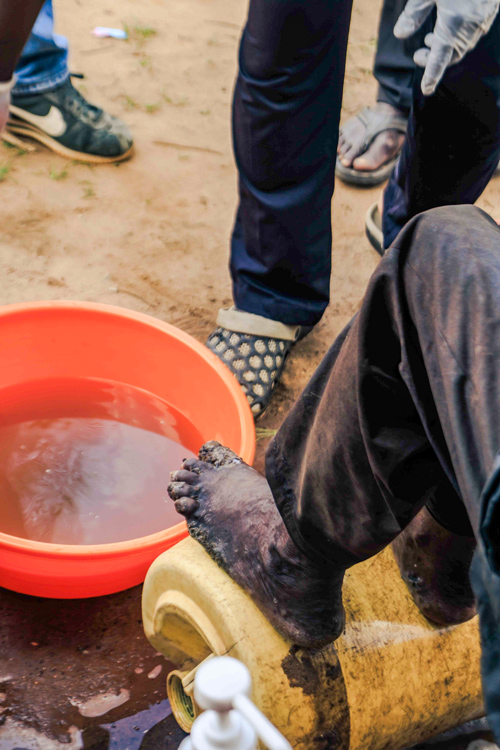
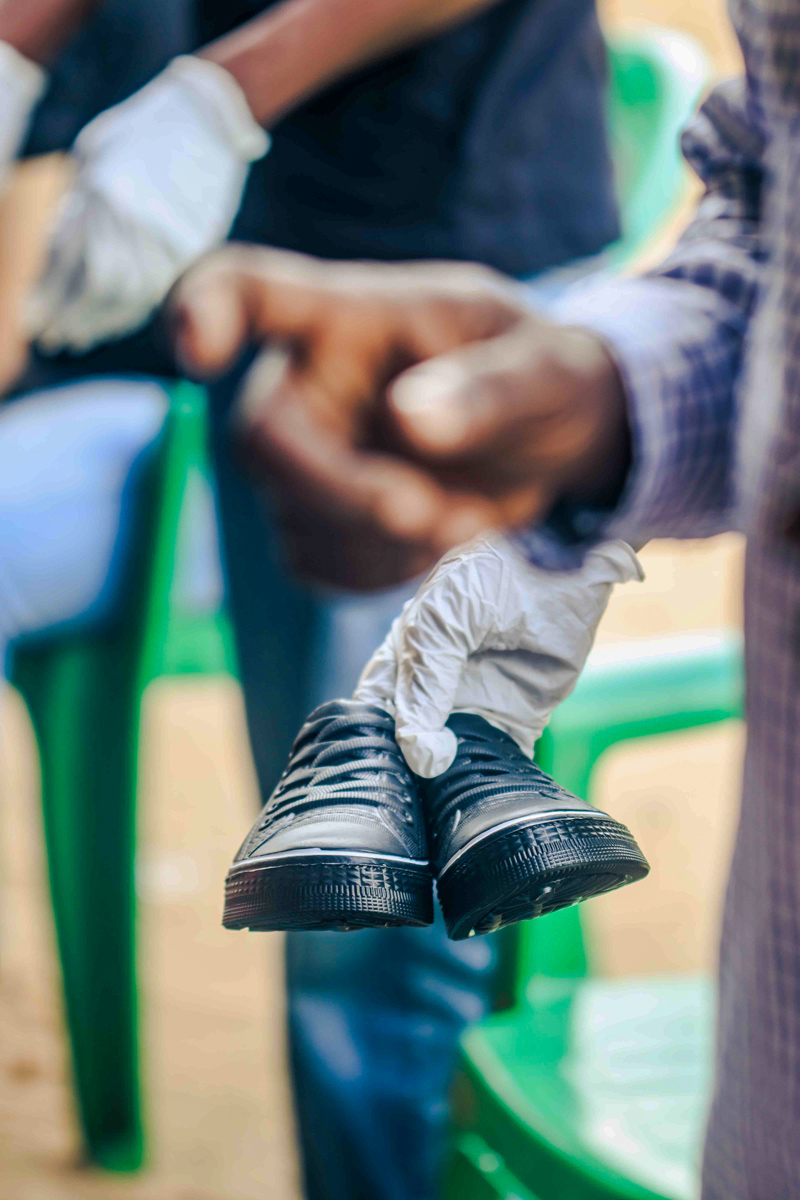
To help protect people beyond the treatment itself, the team also gave shoes to everyone treated. Walking barefoot is one of the main causes of jigger infestation in this community, so the shoes were not simply a donation. They were an extension of the treatment itself, almost like “another lotion” that would keep protecting people's feet after they returned home.
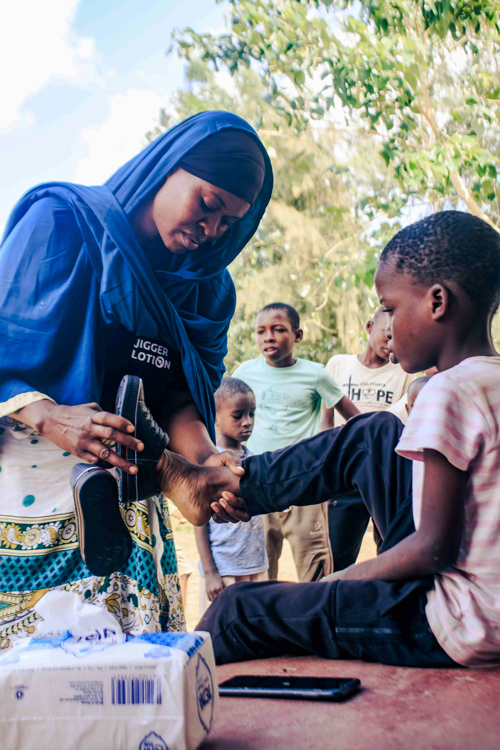
One scene has stayed with the team. Some families had walked from distant villages specifically to be treated together. Jigger infestation is more than a physical health problem: for many people, it carries heavy social stigma. Those affected may feel ashamed of their condition and avoid school, markets, family gatherings, or anywhere else they might be seen. Yet these families had made the decision to get treated together. They stood in line together, had their feet washed together, and received their shoes together. It was a reminder that the day's significance went beyond treating an infestation. Standing together as families and as a community was itself a small step toward breaking down stigma that has affected people for a long time.
After treatment, the team talked with community members about hygiene and shared refreshments. Before leaving Miralani, the team also provided a sprayer and insecticide so residents could treat homes, compounds, and shared community spaces, as part of the continuing effort to eliminate jiggers from the area. After demonstrating how to use the equipment safely, the team handed its ongoing management to the CHPs.
Jigger Lotion needs to be applied twice a week for two weeks to achieve its full effect. Because that follow-up is one of the most important parts of successful treatment, the team left additional lotion with the ten local CHPs so they could keep supporting patients after the team's departure.
Looking back on the day, what the team achieved together with more than 300 residents and ten CHPs felt like more than simply providing treatment. Every foot washed, every pair of shoes handed over, and every conversation shared was a small step toward restoring the dignity of people who have lived with the stigma of jigger infestation. SARAYA Kenya will continue working with local CHPs and communities to help eliminate jiggers, one case, one family, and one community at a time.
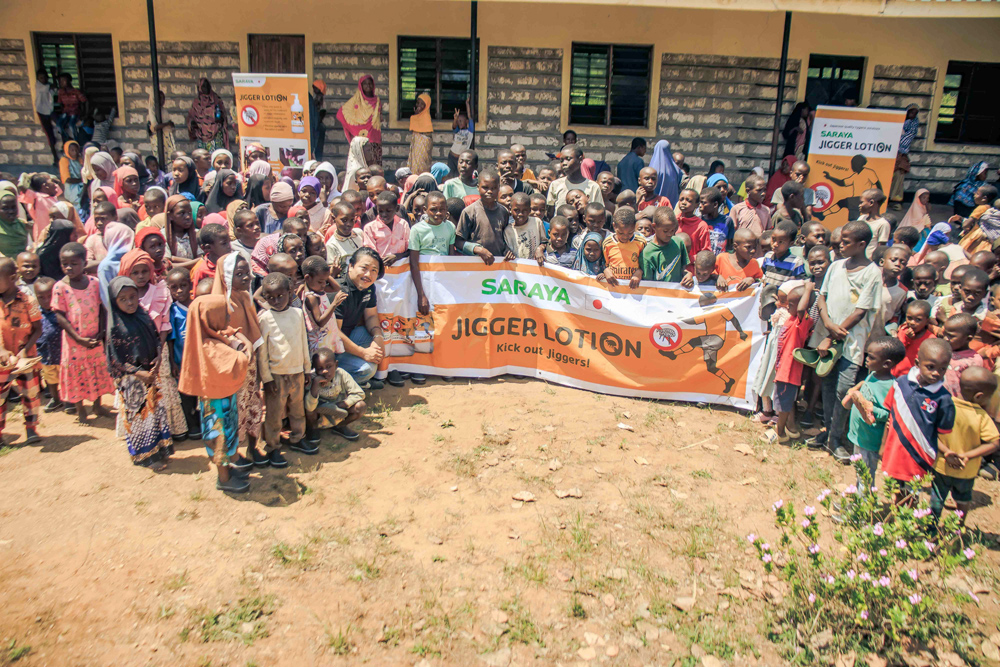
The scenes I witnessed that day in Miralani still come back to me from time to time. When I saw entire families who had walked from distant villages to receive treatment together, I truly realized that our work is about much more than delivering products.
As part of my daily work, I am responsible for SARAYA Kenya's social media communication. Numbers and campaign names alone cannot fully communicate what happens in the field: the atmosphere within the community, the expressions on people's faces, and the determination in the eyes of the CHPs working alongside us. I want to share those moments with as many people as possible, as honestly and naturally as I can. This experience reminded me that shining a light on activities like this may be one of the most meaningful ways to show people what SARAYA truly stands for.
That day, I found myself thinking very simply: I am glad to work for SARAYA. I hope to continue going into the field, seeing these realities for myself, putting what I experience into words, and sharing those stories with others.